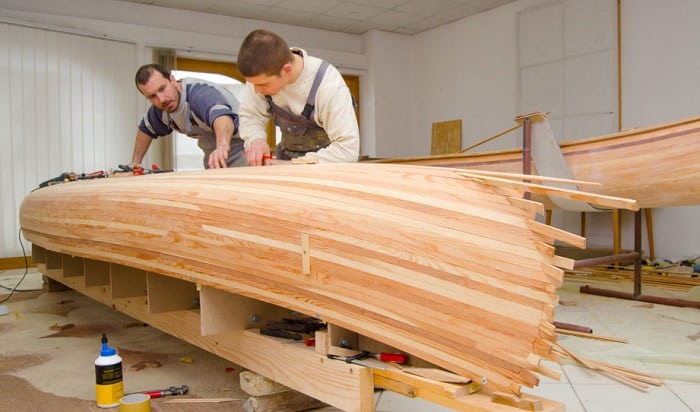
Beyond the Planks: Unveiling Unexpected Secrets of Wooden Boat Building
Building a wooden boat is a journey, a testament to human craftsmanship and a deep connection with the sea. While countless guides detail the technical aspects, this article delves into the often-overlooked nuances, offering fresh perspectives for both seasoned builders and enthusiastic novices. We'll tackle the less-discussed aspects, providing you with actionable insights and creative solutions.
The Unsung Heroes: Material Selection Beyond the Species
Choosing the right wood is paramount, but what about the often-neglected aspects of its condition? We’re not just talking about heartwood versus sapwood.
Q: How can I predict wood movement beyond the typical grain analysis?
A: Consider the *entire* life cycle of the lumber. Was it slow-grown? Fast-grown wood, while cheaper, often displays unpredictable swelling and shrinkage due to its less-dense cellular structure. Look for certifications detailing growth rate and environmental conditions (like those offered by the Forest Stewardship Council). Further, research on wood's moisture content, even after kiln-drying, is crucial. Recent studies (e.g., research published in the *Journal of Wood Science*) highlight the importance of long-term moisture equilibrium studies to mitigate unexpected warping and cracking post-construction.
Beyond the Blueprint: Embracing Imperfection and the Art of the "Mistake"
Experienced boat builders will tell you that every project presents unique challenges. What happens when things don't go exactly as planned?
Q: How can I creatively adapt to unforeseen issues during construction (e.g., a split plank)?
A: Rather than viewing a flaw as a setback, see it as an opportunity for improvisation. A beautifully repaired split plank can become a unique design element, showcasing your skill and the boat’s history. Japanese woodworking philosophy emphasizes the beauty of *wabi-sabi* â€" finding beauty in imperfection. Instead of discarding flawed wood, consider incorporating it creatively using techniques like inlay or contrasting wood accents. Documenting these “happy accidents†also adds to the boat's unique narrative.
The Holistic Approach: Environmental Considerations and Sustainable Practices
Building a wooden boat is intrinsically linked to the environment. Let's explore the sustainable side of this craft.
Q: How can I minimize my environmental impact while building a wooden boat?
A: Sourcing sustainably harvested timber is a given, but go further. Explore low-VOC (volatile organic compound) finishes. Water-based polyurethane and natural oils are excellent alternatives to traditional, harmful solvents. Consider recycling offcuts creatively â€" perhaps making small wooden tools or even decorative pieces for the boat itself. The latest research from organizations like the EPA highlights the impact of VOCs on air and water quality. Reducing your footprint goes beyond just the wood itself.
The Untold Story: Preservation and Legacy
Building a wooden boat is not a one-time event; it's a long-term commitment that extends far beyond the initial construction phase.
Q: How can I ensure my boat’s longevity and potentially pass on its legacy?
A: Create a detailed construction log â€" a sort of “boat biography†â€" recording materials, techniques, challenges faced, and even photos. This document not only helps with future maintenance but also becomes a cherished heirloom for generations to come. Establish a routine maintenance schedule, documenting all repairs and treatments. Consider consulting with naval architects or experienced boat restorers for expert advice on long-term preservation strategies. By actively maintaining your creation, you’re not only preserving a beautiful vessel but also a piece of history.
Building a wooden boat is more than just carpentry; it’s a deeply rewarding experience that blends art, engineering, and a profound respect for nature. By embracing these unconventional perspectives, you can embark on a journey that is both enriching and sustainable, leaving a legacy that transcends generations.


0 comments:
Post a Comment
Note: Only a member of this blog may post a comment.