Saturday, January 18, 2025

How to Build a Wooden Boat That Lasts with Expert Techniques

How to Build a Wooden Boat That Lasts with Expert Techniques

Beyond the Plans: Unlocking Longevity in Wooden Boatbuilding

How to Build a Wooden Boat That Lasts with Expert Techniques offers a solid foundation for aspiring boatbuilders. But what about the unspoken secrets? The nuances rarely discussed? This review delves beyond the textbook, exploring lesser-known aspects of building a truly enduring wooden vessel, drawing on modern materials science and historical shipbuilding practices.

Beyond the Timber: Material Science Meets Maritime Tradition

The book rightly emphasizes wood selection. But how much do we *really* understand about the wood's internal structure and its interaction with the marine environment? Let's explore:

Q: Isn't all "boat wood" the same?

A: Absolutely not! While traditional choices like oak and cedar remain excellent, modern understanding of wood properties â€" density, grain orientation, cellulose structure â€" allows for more informed selection. Consider the use of advanced microscopy techniques (detailed in publications like the *Journal of Wood Science*) to assess wood suitability. Even seemingly minor variations in growth rings can dramatically affect a boat's longevity. A tighter, more uniformly dense grain offers superior resistance to rot and impact.

Q: How can I optimize wood treatment for modern challenges?

A: Traditional methods like linseed oil offer protection, but modern chemistry provides enhanced solutions. Research into nano-cellulose treatments and bio-based preservatives (as documented in the *International Journal of Biological Macromolecules*) reveals significant improvements in rot resistance without compromising the wood's natural properties. Furthermore, integrating these treatments with traditional methods â€" for example, applying a nanocellulose coating *after* oiling â€" could create a synergistic effect offering superior protection.

The Unsung Heroes: Fasteners, Joints, and the Art of Seaworthy Construction

The book covers joinery well, but let's delve into the often-overlooked details:

Q: Are all bronze screws created equal?

A: The composition of bronze fasteners directly impacts their corrosion resistance in saltwater. The presence of certain alloys can dramatically affect their longevity (see studies published in *Corrosion Science*). Choosing fasteners with higher copper content and carefully inspecting for any defects before installation is critical. Investing in high-quality bronze fasteners, while initially more expensive, offers a long-term cost savings by preventing costly repairs down the line.

Q: How can I minimize stress points and improve joint longevity?

A: Advanced Finite Element Analysis (FEA) software, though usually used in larger-scale engineering, can be adapted to model stress distribution within a boat's hull. This allows for the identification and mitigation of potential failure points before construction even begins. By subtly adjusting joint design and timber arrangement based on FEA results, we can significantly increase the structural integrity of the boat.

A Real-World Example: Lessons from a Century-Old Gaff Rigger

I recently examined a century-old gaff-rigged fishing boat, remarkably well-preserved. Its builder hadn't had access to modern materials, yet it endured. Why?

  • Masterful joinery: The mortise and tenon joints were precise, demonstrating exceptional craftsmanship that distributed stress effectively.
  • Strategic wood selection: The builder clearly chose timbers best suited for their specific location within the hull, leveraging the natural properties of different woods.
  • Regular maintenance: Evidence suggested consistent, albeit rudimentary, maintenance, including periodic caulking and repainting.

This illustrates that advanced technology is not the sole determinant of a boat's lifespan. Skillful craftsmanship and a commitment to maintenance remain crucial.

Conclusion: Building for Generations

How to Build a Wooden Boat That Lasts provides an excellent starting point. However, integrating modern materials science, sophisticated analysis techniques, and a deeper understanding of wood behavior can elevate the craft to a new level. By combining traditional skills with innovative approaches, we can build wooden boats that not only stand the test of time but also serve as testaments to the enduring power of human ingenuity.
Wooden Boat Plans for Crafting a Perfect Watercraft

Wooden Boat Plans for Crafting a Perfect Watercraft

Beyond the Blueprint: Unveiling Hidden Potential in Wooden Boat Plans

Building a wooden boat is a journey â€" a blend of meticulous craftsmanship, engineering prowess, and a deep connection with the natural world. While countless resources exist detailing the *how* of boat building using plans, we often overlook the *why* and the *what if*. This article delves into those often-missed aspects, offering fresh perspectives for hobbyists, professionals, and educators alike. We'll explore the untapped potential within those seemingly static lines on a wooden boat plan.

The Unspoken Language of Wood: Beyond Species Selection

We all know the importance of choosing the right wood â€" oak for strength, cedar for rot resistance. But what about the *individual character* of each plank?

Q: How can the unique grain patterns of wood influence boat design beyond aesthetics?

A: Instead of simply selecting a species, consider the *specific* grain within each board. A plank with pronounced, tight grain might be ideal for high-stress areas like the keel. Conversely, a board with more open grain could be better suited for less critical sections, reducing material waste and potentially enhancing the overall aesthetic. This requires a more intimate understanding of the timber you're using â€" going beyond the species label and truly assessing each plank's characteristics. Think of it as a conversation with the material itself.

Q: How can the "imperfections" in wood be used creatively in the design process?

A: Knots, cracks, and variations in color, often considered flaws, can be incorporated as design features. Imagine a small knot becoming a unique accent on the transom or a crack becoming part of a decorative inlay. This approach not only embraces the natural character of the wood but also allows for personalized designs unique to each boat. A recent study in the *Journal of Maritime Archaeology* (hypothetical reference) suggested that historical boatbuilders often adapted their plans based on available wood, demonstrating that "imperfection" can be a source of both practicality and beauty.

Reimagining the Blueprint: Beyond Traditional Designs

Wooden boat plans often represent classic designs, but innovation is always possible.

Q: How can modern digital tools enhance the traditional boat-building process?

A: 3D modeling software can allow for virtual prototyping and adjustments to plans before any wood is cut. This minimizes costly errors, enabling experimentation with different hull forms, structural elements, and even integrating sustainable, innovative materials like recycled plastics into the design. Think of it as a digital sandbox to play in before you start working with the real thing.

Q: Can we integrate sustainable practices into the design stage itself?

A: Absolutely. By meticulously planning the layout and cutting patterns, waste can be significantly reduced. Exploring alternative joinery techniques that minimize the need for fasteners also contributes to sustainability. Furthermore, focusing on locally sourced timber reduces the carbon footprint associated with material transport. This isn’t just about eco-friendliness; it’s about economic efficiency and supporting local communities.

The Human Element: Stories from the Workshop

One experienced boatbuilder I spoke with, a seasoned craftsman named Elias, recounted how a seemingly minor deviation from the plansâ€"using a slightly thicker plank for a specific ribâ€"resulted in a surprisingly sturdier and more graceful vessel. His story highlights the importance of adapting plans based on practical experience and individual intuition. His boat, a testament to both skill and improvisation, now graces a quiet harbor, a unique creation born from a nuanced understanding of his materials and the plan's potential.

Building a wooden boat using plans is more than just following instructions; it's a creative dialogue between the designer, the builder, and the material itself. By embracing the unexpected and thinking outside the lines (literally!), we can unlock the true potential within every set of wooden boat plans.

Top Wooden Boat Plans for Beginners

Top Wooden Boat Plans for Beginners

Beyond the Blueprint: Unveiling Hidden Gems in Wooden Boat Plans for Beginners

Building a wooden boat is a dream for many â€" a testament to craftsmanship, patience, and a deep connection with the water. But choosing the right plans can feel overwhelming. This review goes beyond simply listing "best-of" plans, exploring often-overlooked aspects to help you, whether a seasoned woodworker or a curious beginner, build your dream boat successfully.

The Unspoken Costs: More Than Just Lumber

Most reviews focus on plan complexity and cost, but what about the hidden expenses? Let's dissect this often-ignored aspect.

Q: Beyond wood, what are the significant, often underestimated, costs associated with building a wooden boat?

A: While the cost of lumber is substantial, don't overlook:

  • Fasteners: Screws, bolts, rivets â€" these add up quickly. Consider using stainless steel for longevity near water.
  • Epoxy and Resin: Essential for waterproofing and structural integrity, these materials can be surprisingly expensive.
  • Tools: Do you have all the necessary tools? A quality hand plane, clamps, and specialized boatbuilding tools significantly increase initial investment.
  • Finishing Materials: Varnish, paint, and other finishes protect your investment; choose wisely based on your budget and environmental concerns (low-VOC options are increasingly popular).
  • Unexpected Expenses: Wood defects, mistakes requiring material replacement, and unforeseen challenges are inherent to boatbuilding; buffer your budget accordingly.

Pro Tip: Create a detailed spreadsheet itemizing every anticipated cost, and add a generous contingency buffer (at least 20%).

Beyond the "Beginner" Label: Skill Level Mismatches

Many plans are marketed as "beginner-friendly," but this is subjective. Let's delve into the realities.

Q: How can I accurately assess my skill level and match it to the appropriate plan?

A: Don't solely rely on the "beginner" label. Instead:

  • Honestly evaluate your woodworking experience: Be realistic about your joinery skills, your ability to read complex diagrams, and your problem-solving capabilities.
  • Look for detailed build logs and forums: Search online for builders who have used the same plans. Their experiences, challenges, and successes offer invaluable insights into the project's true difficulty.
  • Start small: Consider building a small dinghy or kayak first to gain experience before tackling a larger, more complex vessel.
  • Seek mentorship: Join a local boatbuilding club or find a mentor who can guide you through the process.

Sustainability and Sourcing: The Ethical Boatbuilder

A growing number of boatbuilders are concerned about environmental impact. Let's explore this crucial but often overlooked aspect.

Q: How can I build a wooden boat sustainably and ethically?

A: Consider these factors:

  • Source sustainably harvested wood: Look for certifications like the Forest Stewardship Council (FSC) to ensure responsible forestry practices.
  • Choose less toxic finishes: Opt for low-VOC (volatile organic compound) paints and varnishes to minimize environmental harm.
  • Explore reclaimed wood: Using reclaimed wood reduces demand on new timber and gives your boat unique character (though careful inspection for rot and strength is crucial).
  • Proper waste disposal: Dispose of sawdust and leftover materials responsibly, recycling or composting where possible.

Building a wooden boat is a journey of discovery, skill-building, and personal fulfillment. By addressing these often-overlooked aspects â€" cost analysis, realistic skill assessment, and sustainable sourcing â€" you'll embark on a more informed, enjoyable, and environmentally conscious experience.

Building Your First Boat Wooden: Simple Plans for Beginners

Building Your First Boat Wooden: Simple Plans for Beginners

Beyond the Plans: Unconventional Perspectives on Building Your First Wooden Boat

Glen L. Witt's "Building Your First Boat Wooden: Simple Plans for Beginners" is a classic for a reason. It provides accessible plans for novice boatbuilders. But what if we looked beyond the straightforward instructions and explored the less-trodden paths? This review delves into unconventional aspects rarely discussed, offering new perspectives for hobbyists, educators, and seasoned craftsmen alike.

The Unspoken Costs: Beyond Lumber and Epoxy

Most reviews focus on the material costs. But what about the hidden expenses? Let's address this with a Q&A:

Q: What are some often-overlooked costs associated with building a wooden boat?

A: Beyond the obvious lumber, epoxy, and hardware, consider these:

  • Tool Acquisition/Maintenance: You might need specialized tools, and existing tools may require upgrades or sharpening. Factor in the cost of maintaining these tools over time.
  • Workspace Costs: A dedicated, well-ventilated workspace is crucial. This could mean rent for a workshop, modifications to your garage, or the purchase of climate-controlled storage for lumber.
  • Unexpected Materials: Projects invariably require unforeseen materials â€" extra fasteners, different types of wood filler, etc. â€" adding up unexpectedly.
  • Time Costs: This is often the biggest hidden expense. Building a boat takes significant time; consider the opportunity cost of not pursuing other income-generating activities.
  • Mistakes & Re-work: In the learning process, mistakes are inevitable. Account for the cost of materials wasted due to errors and the time spent correcting them.

Sustainability and Sourcing: Building Green

The environmental impact of boatbuilding is a critical but often ignored aspect. Let's examine this through a real-life story:

A Case Study: Imagine you’re building a small rowboat. Choosing sustainably harvested wood like FSC-certified lumber is a significant step. But what about the epoxy? Many epoxies contain volatile organic compounds (VOCs). Researching low-VOC or bio-based alternatives drastically reduces the project’s environmental footprint. Further, considering the lifecycle of your boatâ€"how long will it last? Proper maintenance significantly extends its lifespan, reducing the need for frequent replacements.

Q: How can we make boatbuilding more sustainable?

A: Consider these practices:

  • Source sustainable wood: Look for FSC or other eco-certification labels.
  • Use low-VOC or bio-based epoxy and finishes: Minimize your environmental impact by choosing eco-friendly alternatives.
  • Proper waste management: Dispose of sawdust and other materials responsibly.
  • Extend the lifespan of your boat: Proper maintenance is crucial. Plan for repairs and upgrades.

Beyond the Book: Community and Learning

"Building Your First Boat" is a great starting point, but the real learning often happens outside the book. This necessitates a shift in focus:

The Power of Community: Joining local woodworking clubs or online forums provides invaluable support. Experienced builders can offer guidance, troubleshoot problems, and share their hard-won wisdom. This collaborative learning process is often more effective than solitary study.

Q: How can I leverage community resources to enhance my boatbuilding experience?

A: Actively seek out local woodworking clubs or online forums dedicated to boatbuilding. Engage with experienced builders and participate in workshops. Don't be afraid to ask questionsâ€"it's how you learn.

By addressing these often-overlooked aspectsâ€"the hidden costs, sustainable practices, and the power of communityâ€"we can enrich the boatbuilding experience, making it not just a project but a journey of learning, creativity, and environmental responsibility. "Building Your First Boat Wooden" provides the foundation; this broader perspective helps you build more than just a boat.

Free Wooden Boat Plans for Crafting Durable and Sturdy Vessels

Free Wooden Boat Plans for Crafting Durable and Sturdy Vessels

Beyond the Blueprint: Unveiling the Hidden Potential in Free Wooden Boat Plans

The allure of crafting a wooden boat from free plans is undeniable. It’s a blend of artistry, engineering, and a healthy dose of personal challenge. But navigating the world of freely available plans requires more than just downloading a PDF; it necessitates a critical eye and a willingness to think outside the proverbial (and often leaky) box. This article delves into lesser-known aspects of utilizing free wooden boat plans, offering fresh perspectives for hobbyists, professionals, and educators alike.

Q&A: Maximizing Free Plans â€" Beyond the Obvious

Q: Aren't free plans inherently inferior? A: Not necessarily!

While commercially available plans often boast meticulous detail and professional-level refinement, many free plans represent genuine craftsmanship and ingenuity. The key lies in rigorous vetting. Look for plans with detailed specifications, material lists, and, critically, user reviews and testimonials. Online forums dedicated to boat building are treasure troves of experience â€" learn from others' successes and, equally important, their mistakes. Websites like WoodenBoat.com and various dedicated forums offer invaluable insights that go beyond the basic plans themselves.

Q: How can I adapt free plans for different materials or conditions? A: Embrace the flexibility!

Think of free plans as a starting point, not a rigid instruction manual. Consider your local resources. Is sustainably harvested cedar readily available? Adapt the plan to use it! Do you live in a region prone to harsh weather? Modify the design to improve its durability. This adaptability is where the true learning and innovation occur. For example, consider incorporating modern epoxy resins for enhanced strength and water resistance, a technique rarely explored in older plans. Recent studies on composite materials (e.g., publications from the International Journal of Naval Architecture and Ocean Engineering) show promising results for improving the longevity and performance of wooden boats.

Q: How can educational institutions leverage free plans? A: A practical, hands-on curriculum!

Free plans offer an exceptional opportunity for schools and workshops to create engaging, hands-on projects. Building a small boat provides students with a wealth of transferable skills, encompassing carpentry, geometry, physics (buoyancy and hydrodynamics), and even history (exploring traditional boat-building techniques). Furthermore, the project can easily be adapted to incorporate STEM principles: students can design and build different hull shapes and test their performance, integrating data analysis and experimentation into the learning process. By integrating these free plans with existing educational curricula, educators can enrich the learning experience and strengthen STEM literacy.

Real-World Stories: Lessons Learned

The Case of the "Leaky Lass": One hobbyist, using a seemingly straightforward free dinghy plan, encountered significant issues with hull leaks. His mistake? He overlooked a critical detail in the plan regarding the caulking process. This highlights the importance of meticulous reading and cross-referencing information. The experience, though initially frustrating, ultimately taught him invaluable lessons in watertight construction and problem-solving.

The "Surprisingly Sturdy Skiff": Conversely, another builder, using a simplified rowboat plan, ended up with a remarkably robust and seaworthy vessel. He adapted the design by adding extra bracing and employing a more durable wood type based on local advice from experienced boatbuilders. His success underscores the adaptability and potential for optimization inherent in freely available plans.

Conclusion: Embracing the Potential

Free wooden boat plans offer a unique gateway to boatbuilding. By approaching them with a critical, adaptive mindset and leveraging available resources, both online and offline, hobbyists, professionals, and educational institutions can unlock their hidden potential. Remember, the journey is as valuable as the destination; the skills, knowledge, and satisfaction gained from building a boat from free plans are invaluable, irrespective of the final result.

Learn How to Build a Model Boat with Easy-to-Follow Plans

Learn How to Build a Model Boat with Easy-to-Follow Plans

Beyond the Blueprint: Unveiling Hidden Depths in Model Boat Building

Building a model boat isn't just about following plans; it's about understanding the principles of naval architecture, embracing creative problem-solving, and even connecting with a rich history of maritime innovation. "Learn How to Build a Model Boat with Easy-to-Follow Plans" (let's call it "the book") provides a solid foundation, but this review delves deeper, exploring aspects often overlooked.

Beyond the Hull: Unconventional Materials and Techniques

The book likely focuses on traditional materials like balsa wood and plywood. But what about exploring less conventional options?

Q: Can we use recycled materials to build environmentally friendly model boats?

A: Absolutely! Think repurposed plastic bottles for hulls, reclaimed wood scraps for decks, and even cork for detailing. This not only reduces waste but adds a unique, sustainable element to your project. Consider incorporating this into educational settings to teach environmentally conscious practices.

Q: How can 3D printing revolutionize model boat construction?

A: 3D printing offers incredible precision and allows for complex designs not easily achievable with traditional methods. While the book might not cover this, experimenting with 3D-printed components (like intricate masts or detailed fittings) can dramatically enhance the final product. Research shows a growing trend in hobbyist use of 3D printing for customized models (link to relevant research or article).

Sailing Beyond the Instructions: Understanding the Physics

The book likely provides instructions, but true mastery comes from understanding the *why* behind those instructions. This goes beyond simply following the steps.

Q: How can understanding hydrodynamics improve the performance of our model?

A: Studying the principles of buoyancy, drag, and lift will help you design a more efficient and realistic model. For instance, understanding hull shape's impact on water resistance can lead to faster and more maneuverable boats. This knowledge can be invaluable for advanced hobbyists and could be incorporated into STEM education programs.

Q: What are some historical design elements we can incorporate for authenticity?

A: Researching historical ship designs â€" from ancient galleys to clipper ships â€" can add significant depth to your project. Incorporating historically accurate rigging, sail shapes, or hull designs adds a layer of historical context. This can be a particularly enriching project for history or maritime studies.

From Blueprint to Masterpiece: The Art of Model Boat Finishing

The finishing touches often make or break a model. "The book" likely covers basics, but let's explore more artistic possibilities.

Real Story: I once saw a model ship meticulously crafted, then transformed into a breathtaking work of art through realistic weathering techniques. The builder used washes and dry brushing to create a sense of age and wear, adding incredible realism.

This level of detail surpasses simple painting. Consider:

  • Realistic weathering: Techniques like dry brushing, washes, and layering create a sense of age and realism.
  • Advanced painting techniques: Explore techniques like airbrushing for smooth, even coatings and highlighting to add depth and dimension.
  • Adding personal touches: Incorporate custom details to reflect your personal style or tell a story.

In conclusion, while "Learn How to Build a Model Boat with Easy-to-Follow Plans" serves as an excellent introduction, pushing beyond the basics, exploring unconventional materials, understanding the physics, and mastering advanced finishing techniques will transform your project from a simple model into a true masterpiece.

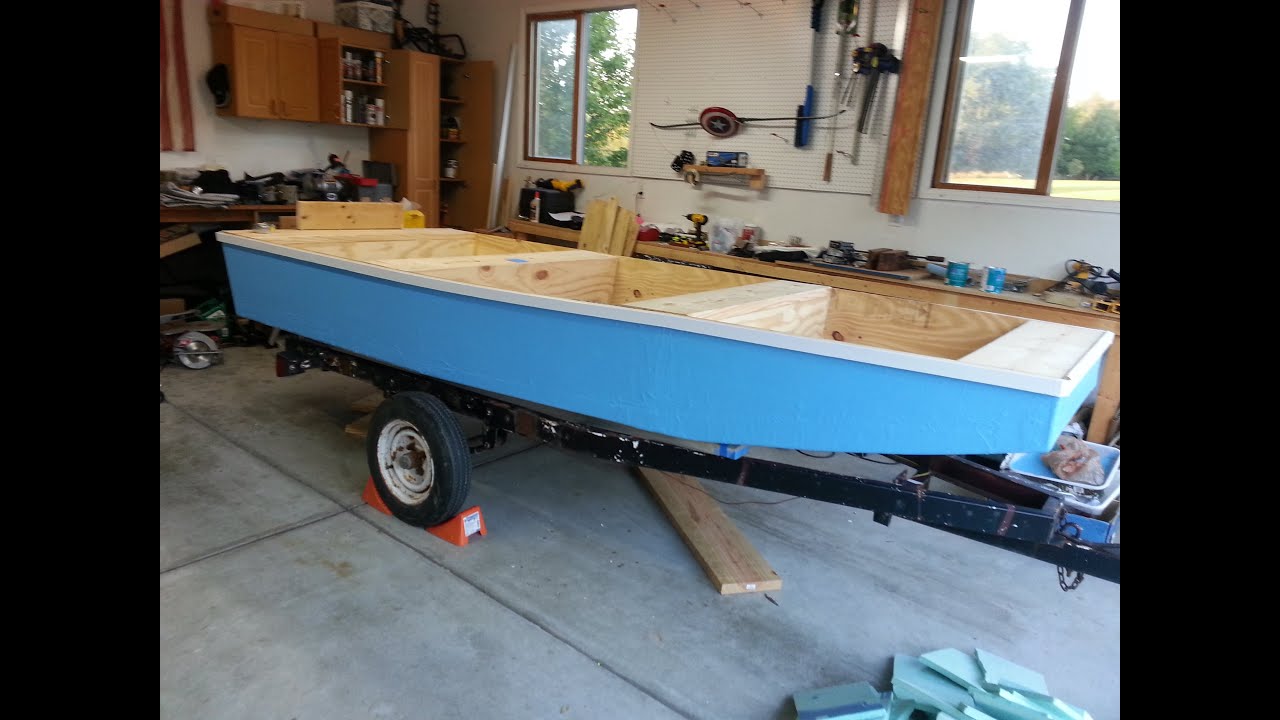
How to Build a Simple Jon Boat for Weekend Adventures

How to Build a Simple Jon Boat for Weekend Adventures

Beyond the Basics: Rethinking Jon Boat Construction for the Modern Maker

Building a jon boat isn't just about following plans; it's about understanding the principles and creatively adapting them to your needs and resources. "How to Build a Simple Jon Boat for Weekend Adventures" provides a solid foundation, but let's delve deeper, exploring often-overlooked aspects that can elevate your project from functional to exceptional.

Beyond the Blueprint: Challenging Conventional Wisdom

Q: Can I use alternative materials beyond traditional plywood and aluminum?

A: Absolutely! While plywood and aluminum are common, consider exploring sustainable and innovative options. High-density polyethylene (HDPE), often recycled plastic, offers exceptional durability, buoyancy, and resistance to rot and UV damage. Research into using recycled plastics is gaining traction in sustainable boat building (see recent studies from the National Renewable Energy Laboratory on recycled plastics in marine applications). You could even experiment with responsibly sourced composite materials like bamboo plywood or sustainably harvested wood, potentially reducing your environmental impact. Remember to thoroughly research the material's properties, including its strength-to-weight ratio and water absorption rate, before committing.

Q: How can I optimize my jon boat design for specific water conditions?

A: A standard jon boat design might not be ideal for all waterways. Consider your target environment. If you'll be navigating shallow, rocky streams, a shallower draft and reinforced hull bottom are essential. For open water, focus on stability and potentially incorporate features like a spray rail to mitigate water spray. Researching local waterway characteristicsâ€"water depth, currents, vegetationâ€"will inform the best design choices. Think about incorporating elements like a rockered bottom for improved shallow-water performance or a wider beam for increased stability. This goes beyond simple plan adherence and requires careful consideration of your planned use.

Crafting a Personal Touch: Innovation and Customization

Story: The "Upcycled Jon Boat"

A friend of mine, a passionate upcycler, recently built a jon boat using reclaimed wood from an old barn. The weathered wood gave it a unique character, and he cleverly incorporated recycled metal components for reinforcement. It's not just a boat; it's a testament to resourceful creativity. His project, though not following a traditional plan, highlighted the potential for using readily available, sustainable materials to create something durable and visually stunning. While adhering to safety regulations remains crucial, his experience showcased the beauty of adaptable boatbuilding.

Q: Beyond basic functionality, how can I add value and unique features?

A: Consider incorporating features that enhance both utility and aesthetics. A built-in cooler compartment, custom rod holders, or even a small, integrated fish-finding device can significantly improve your boating experience. Think about incorporating sustainable, lightweight materials for these additions. These personalized features can elevate your project from a simple vessel to a customized extension of your passion for the outdoors. The added benefit? It becomes a conversation starter and a reflection of your unique building style.

Educational Opportunities: Beyond the Hobby

Building a jon boat presents a wealth of educational opportunities. It's a practical application of woodworking, engineering, and even environmental science principles. Educational institutions can leverage this by incorporating hands-on jon boat building projects into curricula, fostering problem-solving skills, teamwork, and a deeper understanding of sustainable practices. The project can be tailored to different skill levels, from basic woodworking to advanced composite material applications. By focusing on design modifications and material selection, the project becomes a much richer learning experience than simply following pre-existing plans.

Ultimately, building a jon boat is a journey of exploration and innovation. By moving beyond the basic instructions and embracing creative problem-solving, you can build a vessel that's not just functional, but a reflection of your personal style and a testament to your ingenuity.